That's a wrap: TGB AI CXO Summit Singapore, 23 November 2026
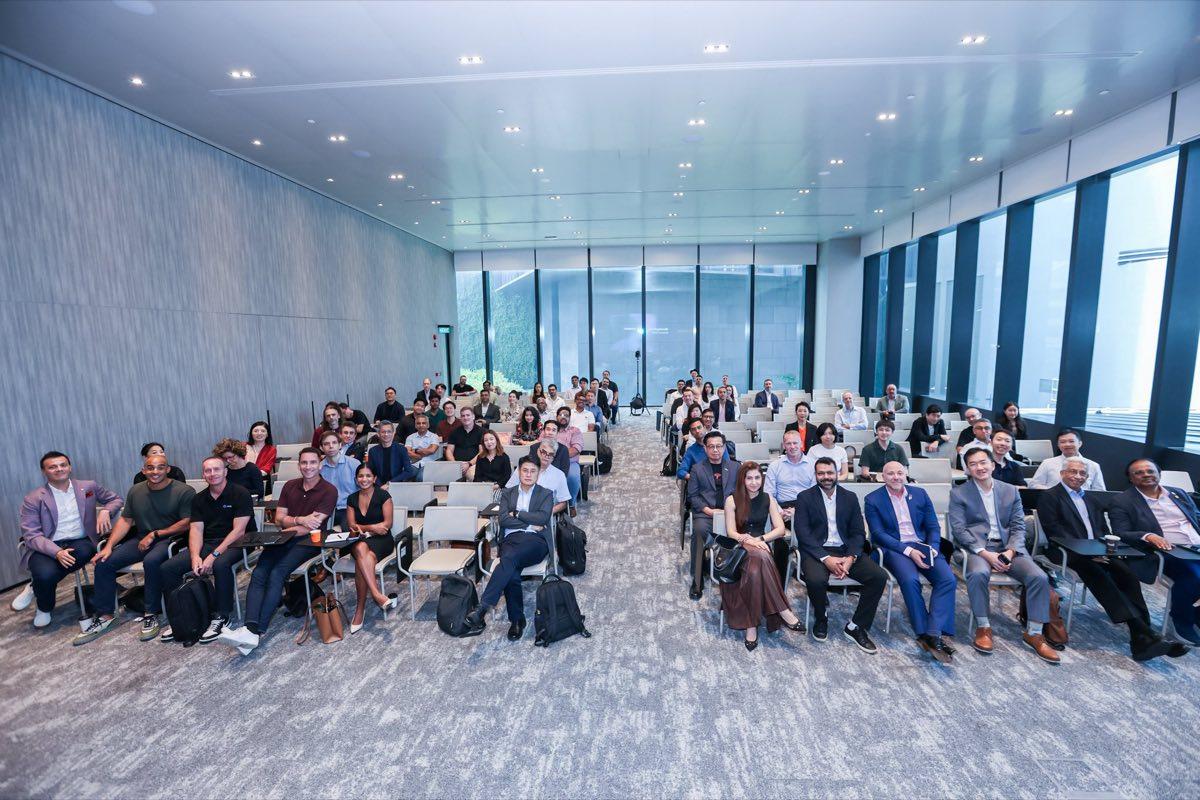
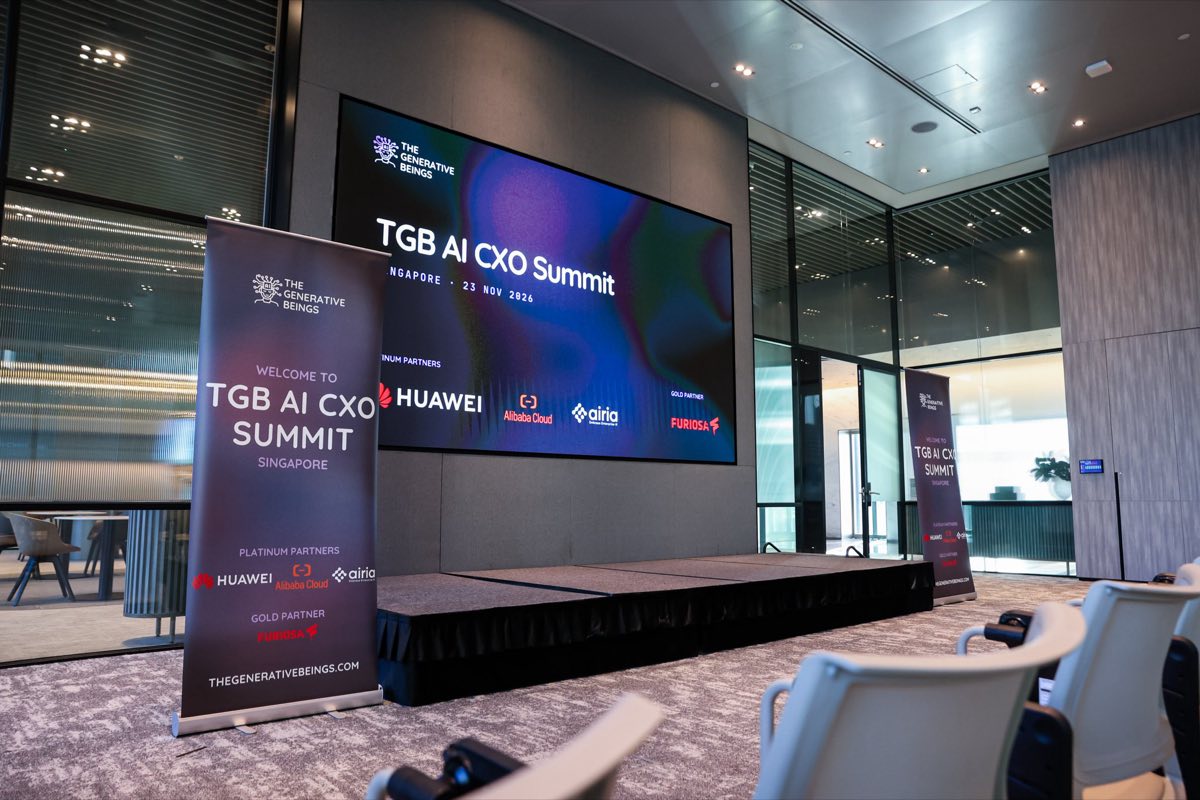
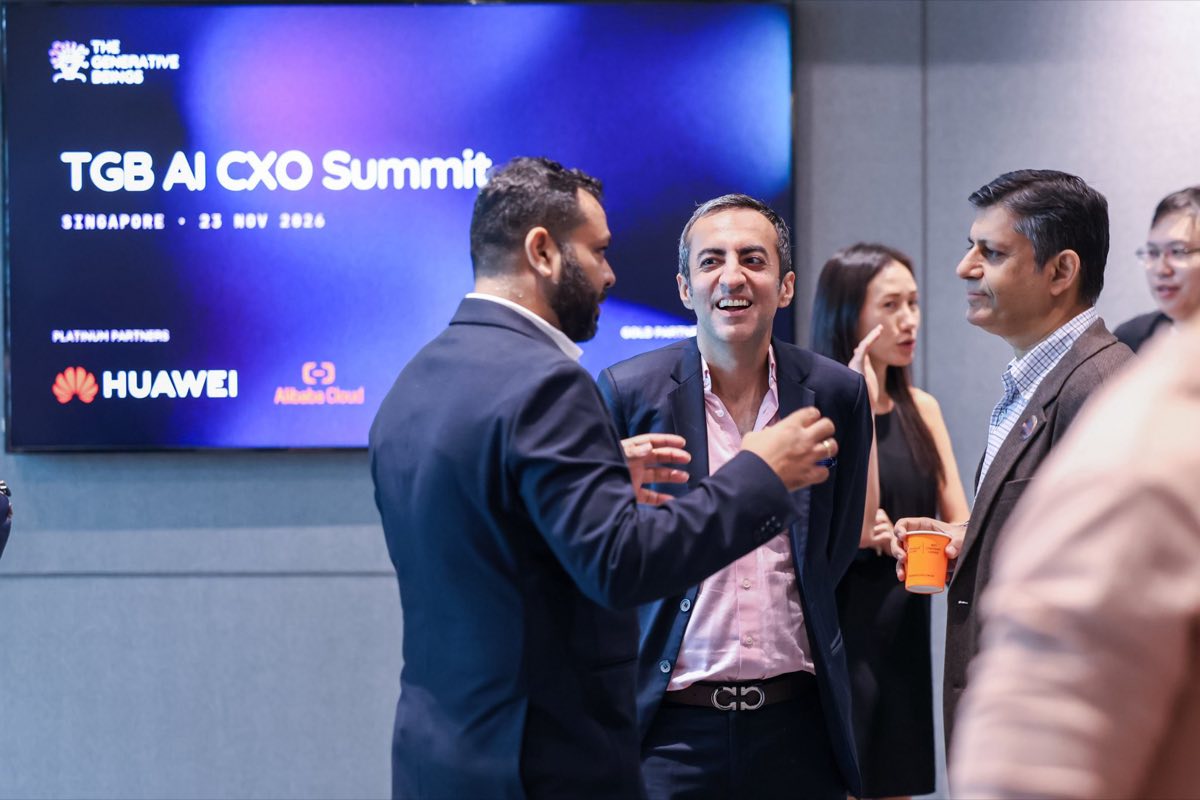
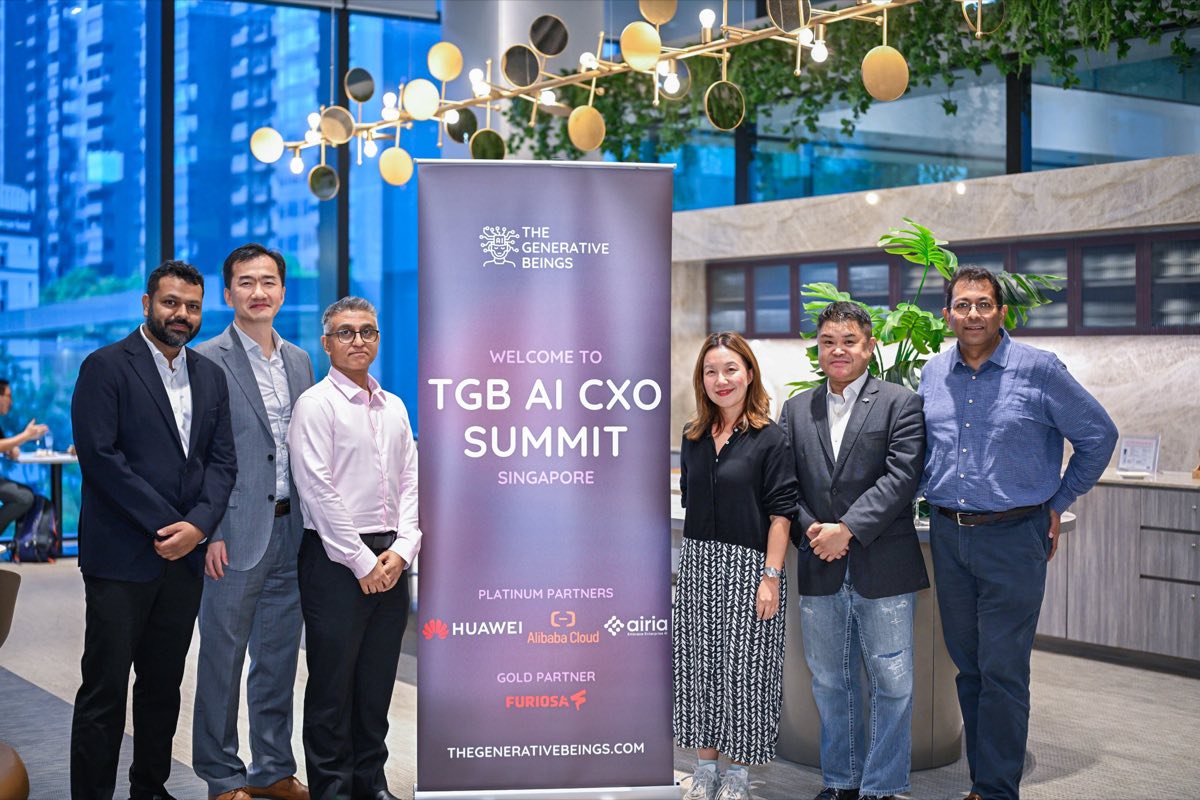
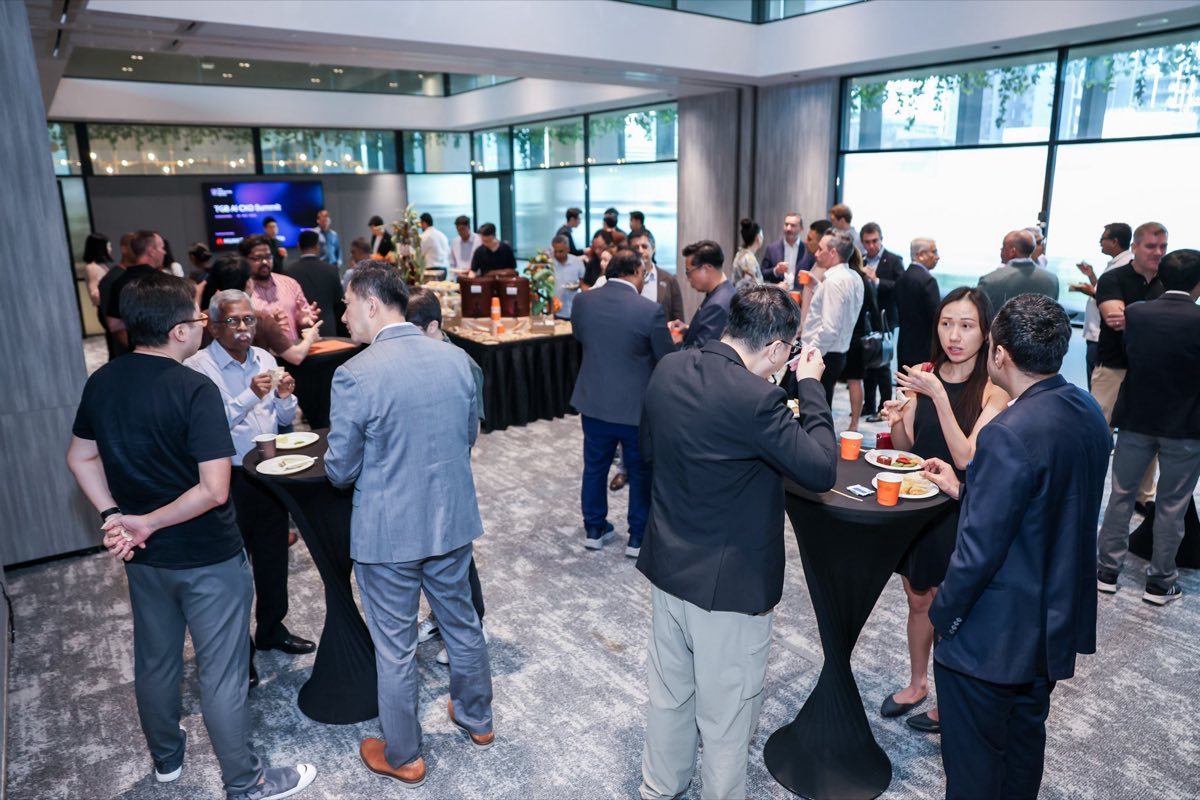
On 23 November 2026, we hosted the first TGB AI CXO Summit at Guoco Midtown, Singapore. Across 22 speakers and 12 sessions, one question ran through the whole day: how are Southeast Asia's enterprises actually adopting AI, and what's the way forward for 2027?
We kept the room deliberately senior. To keep the conversation enterprise-focused, we turned away over 60% of registrations. The result was a day of honest, practical discussion, closer to a working session between peers than a stage show.
Here is what we heard.
Act 1: From hype to production
We opened with findings from the TGB AI Pulse survey. 97% of respondents said AI is already doing real work in their business, and 46% said more than half their teams use it. But a subscription is not adoption. Real adoption means teams building on AI, breaking down silos and speeding up decisions, and the time AI saves has to turn into measurable business value.
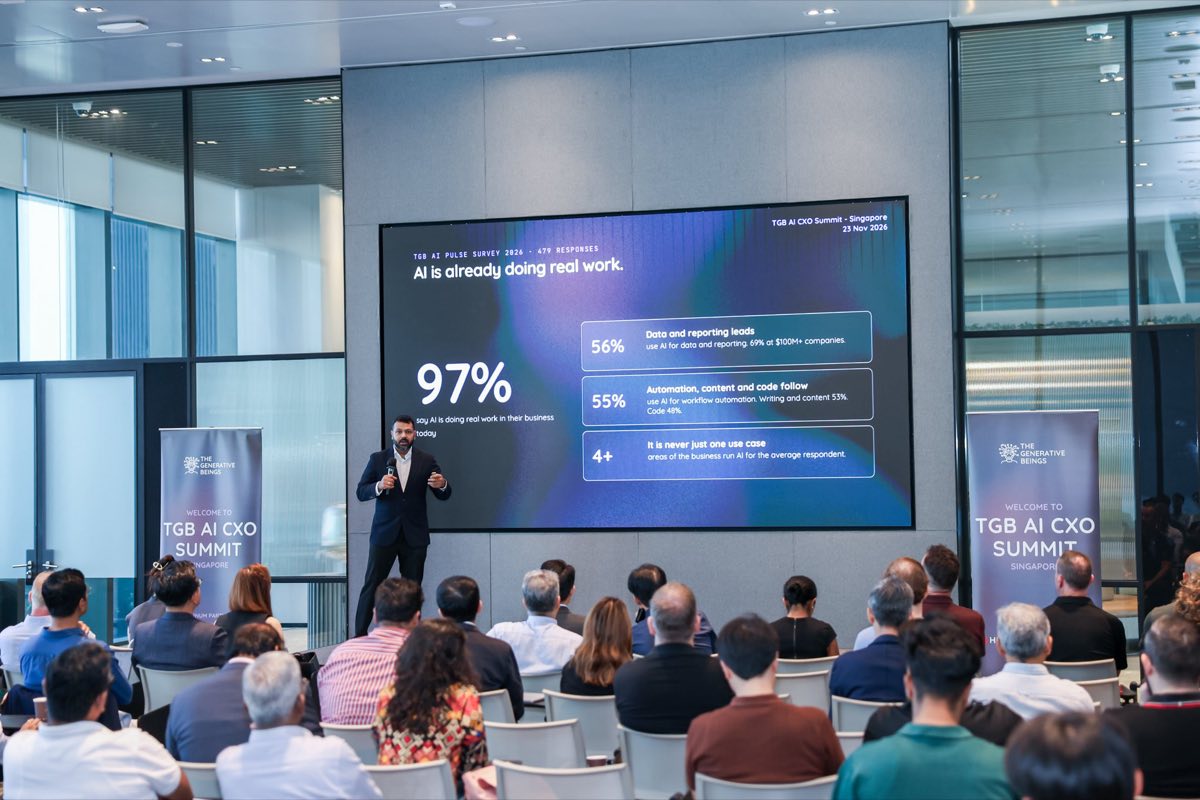
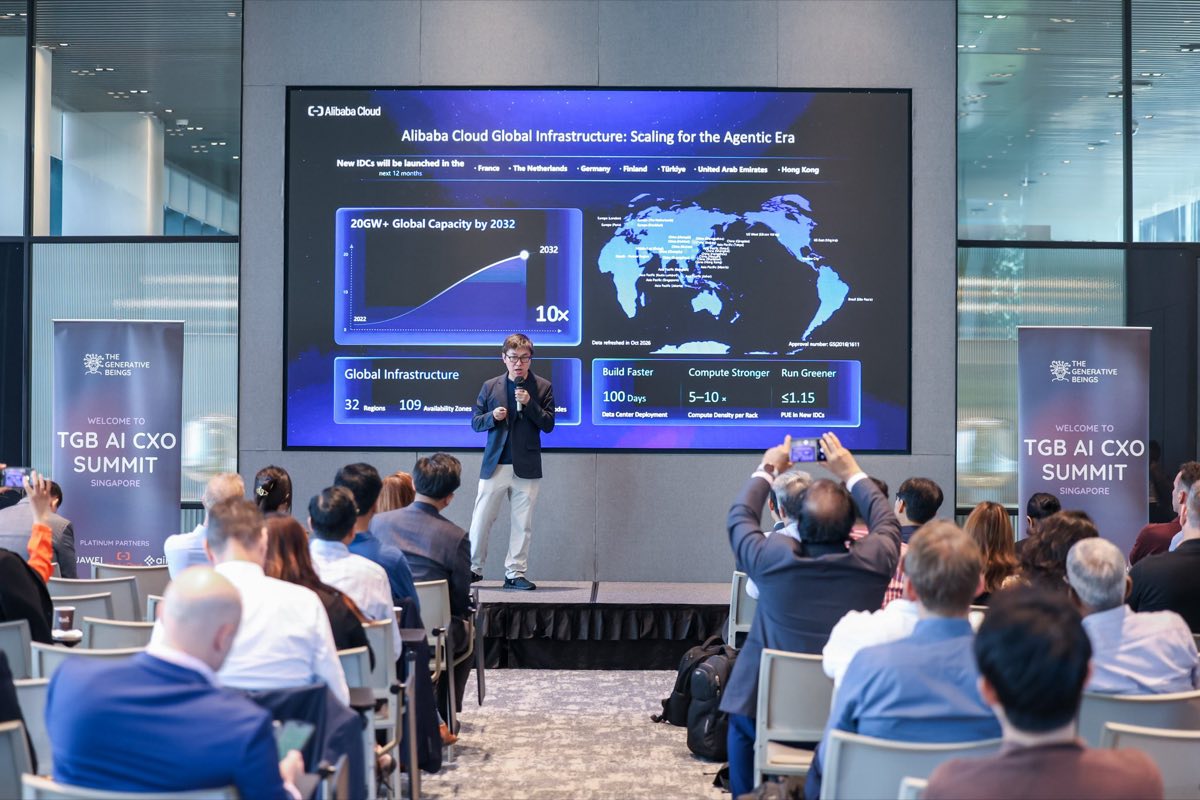
The keynote, AI in SEA: why Southeast Asia is the world's next AI hub, framed the gap that matters. Models produce "thinking"; businesses need finished work, and the gap between the two is execution. The useful measure is the cost of an outcome the business accepts, not the price of a token. (Ken Xu, Alibaba Cloud)
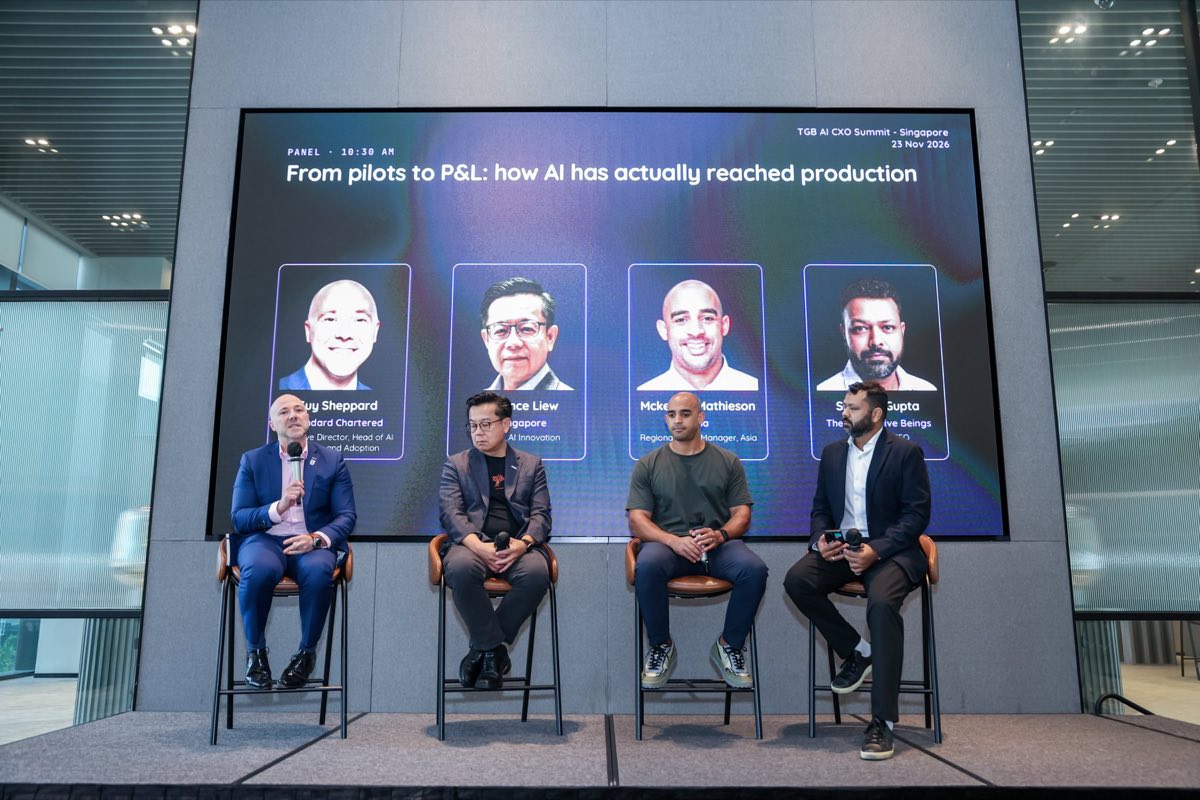
The first panel, From pilots to P&L: how AI has actually reached production, was blunt about why pilots stall. It is rarely the model. Pilots fail without three things: a named owner, governance from day one, and unit economics that make commercial sense.
- Build MVPs, not POCs. Plan for production from day one. (Guy Sheppard, Standard Chartered)
- Get AI-ready before you build: clean data, a clear owner and a plan to deploy. (Laurence Liew, AI Singapore)
Act 2: Trust and control
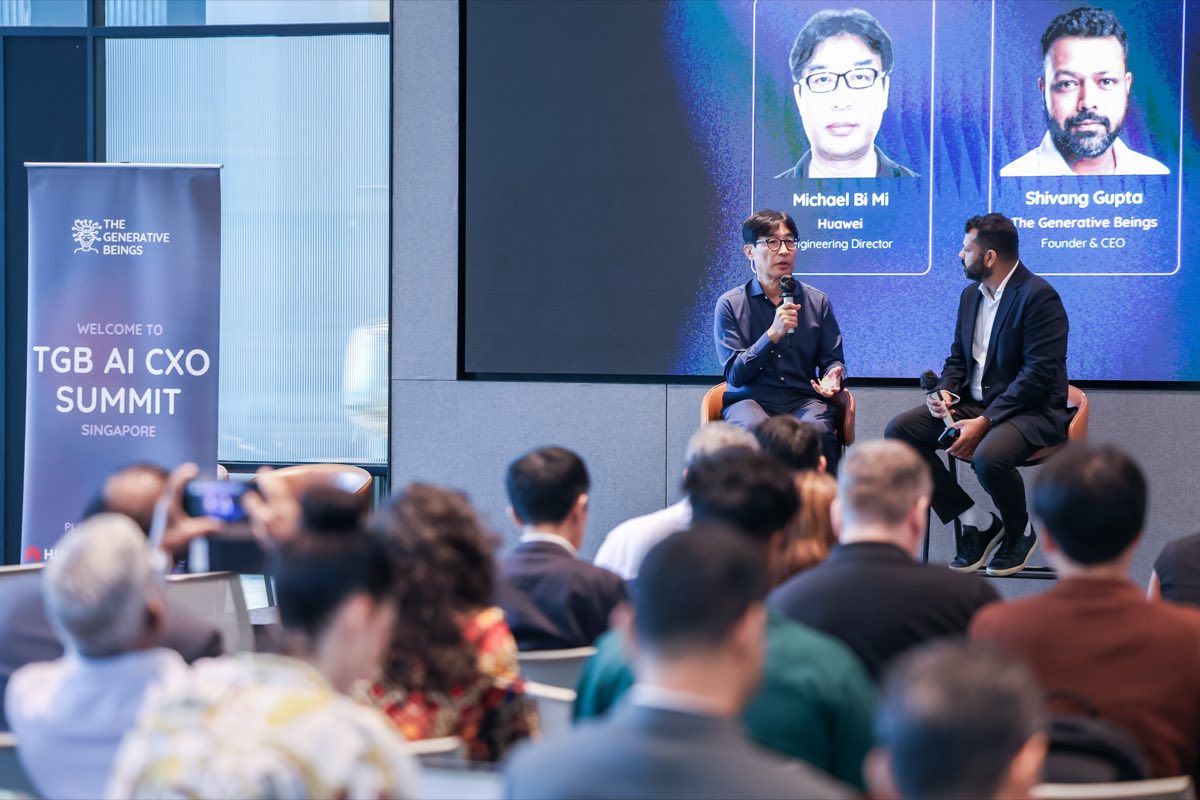
The fireside Open source or closed: building AI on options, not lock-in reframed a familiar debate. "Open or closed" is the wrong first question. Start with what the business needs, then judge every option on cost, resilience and control. Open source is not free once you count compute, engineers and maintenance, and closed models bring their own risks as they change, retire and update their terms. The winners in 2027 won't pick a side; they'll stay ready to choose. (Michael Bi Mi, Huawei)
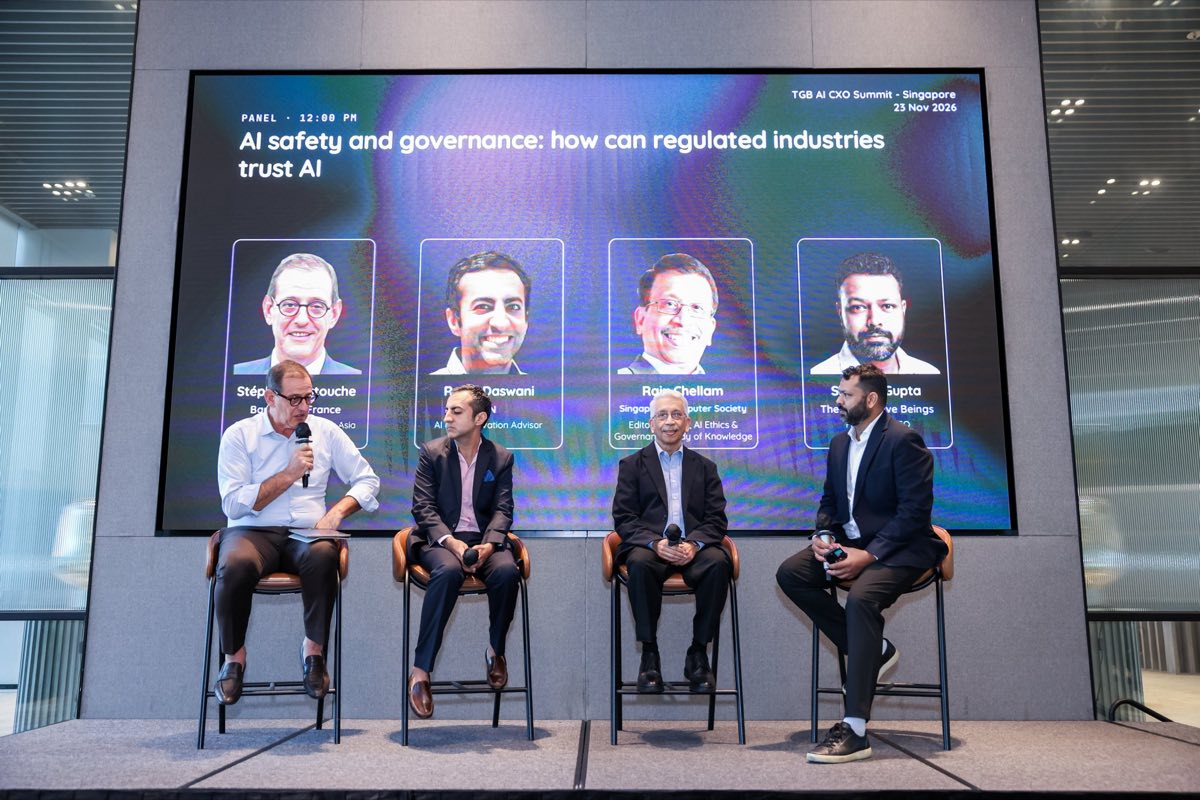
AI safety and governance: how can regulated industries trust AI made trust the central outcome. The room agreed on a few principles:
- The riskier the AI use case, the deeper the oversight should be. (Stéphane Latouche, Banque de France)
- Trust is only half of it. If approved AI tools aren't useful, people will use their own. (Rahul Daswani, UNDP)
- Fix cybersecurity before you scale agentic AI. (Raju Chellam, Singapore Computer Society)
The panel also stressed defining liability up front, and treating regulatory sandboxes like a learner's licence: useful for a while, but with a clear path to graduation.
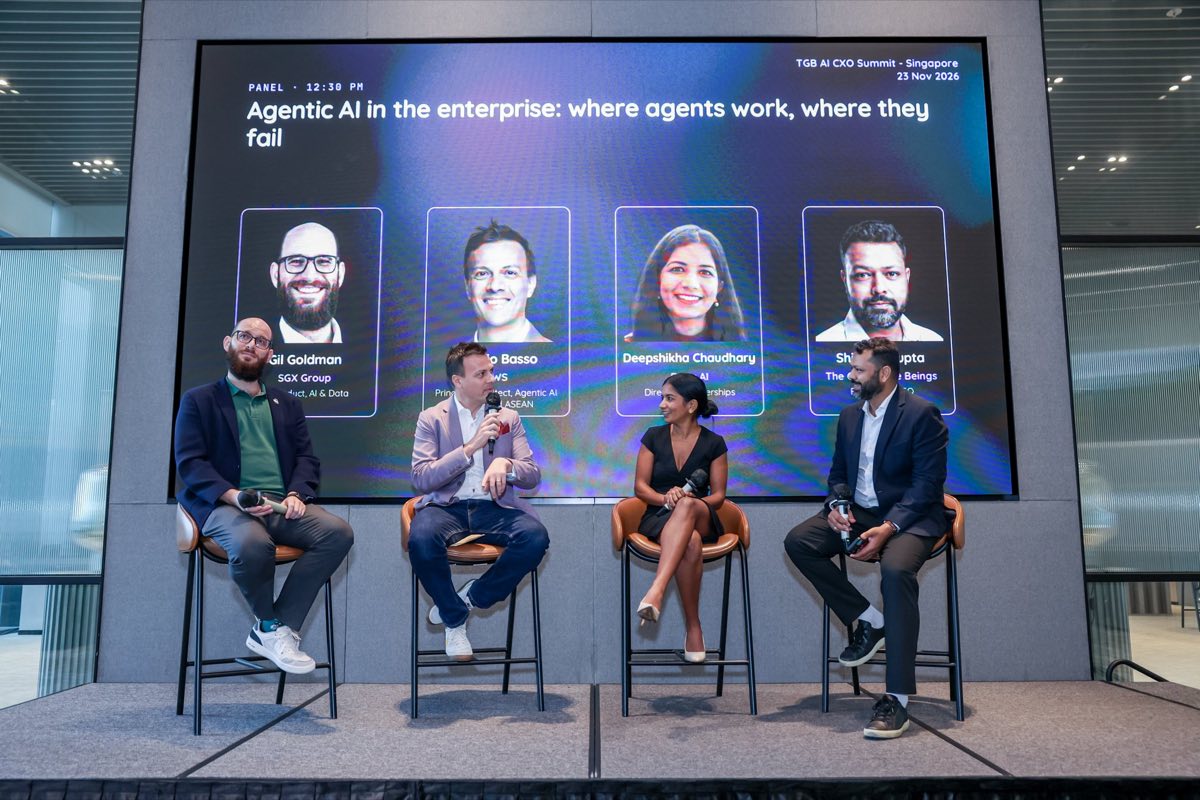
Agentic AI in the enterprise: where agents work, where they fail brought the reality check. Agents earn their value first in the work nobody wants to do, then free people for the parts of the job that matter.
- An agent's autonomy has to be earned. Start with the smallest autonomy you can get away with. (Gil Goldman, SGX Group)
- Agents aren't deploy and forget. Monitor and evaluate them continuously, the way you manage people. (Alessio Basso, AWS)
- AI can inform the client. Trust still comes from the human who knows them. (Deepshikha Chaudhary, Dyna.Ai)
Two more lessons stuck: bolting an agent onto an 11-step process rarely delivers, so be willing to redesign the process; and bottom-up adoption, where the people closest to the work choose the use cases, tends to beat top-down mandates.
Act 3: The economics get real
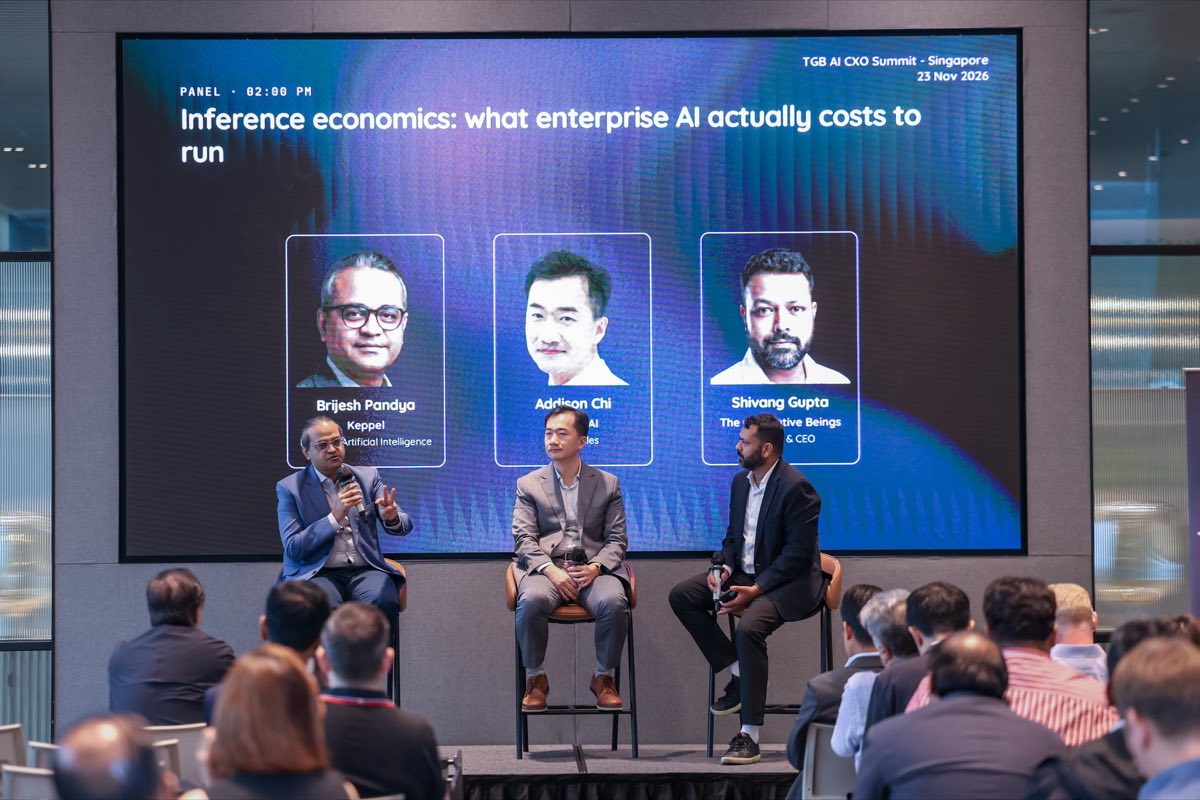
Inference economics: what enterprise AI actually costs to run moved past GPU prices. The hidden costs of running AI at scale are power, cooling, data-centre capacity, the talent to operate your own stack, and keeping up with a new model every few weeks. The advice for buyers: evaluate against your real workload, meaning tokens per second, latency and concurrent users, rather than headline specs. And keep your architecture model- and hardware-agnostic, so you can move when the economics change. (Brijesh Pandya, Keppel; Addison Chi, FuriosaAI)
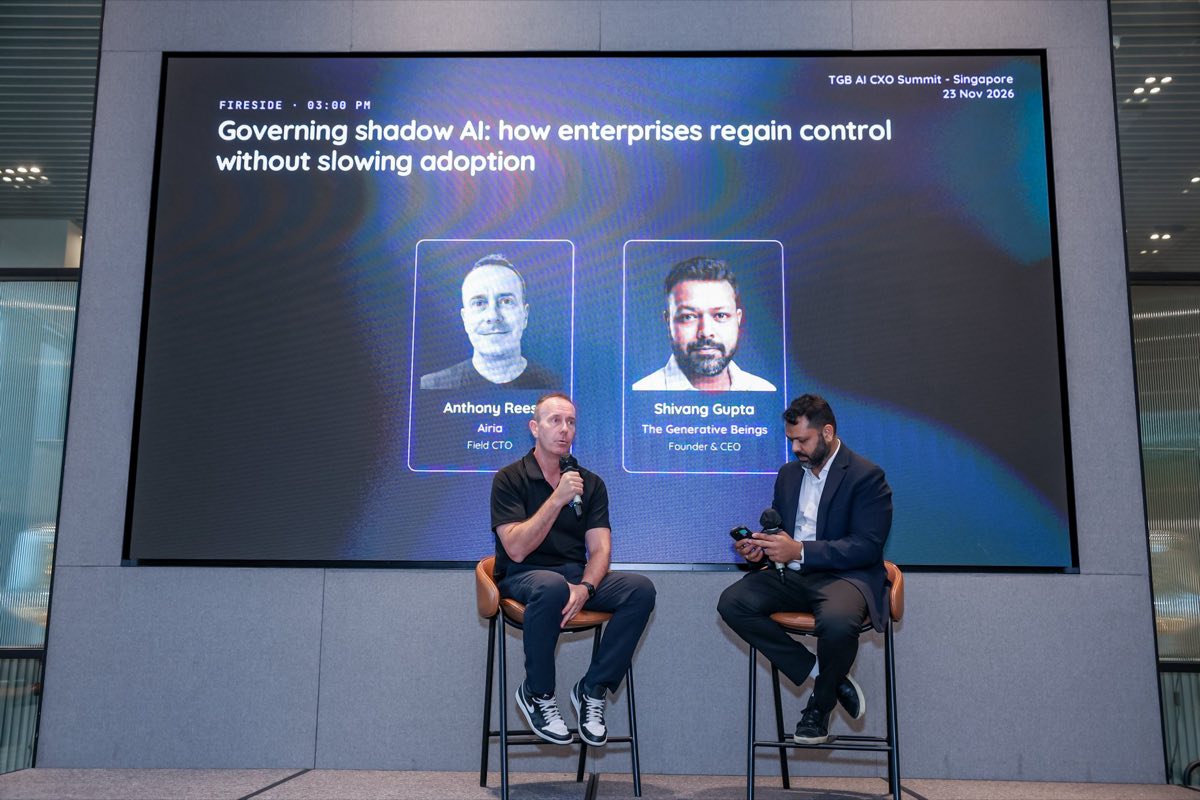
The fireside Governing shadow AI: how enterprises regain control without slowing adoption showed why blanket bans fail: people simply photograph their screens and use personal tools on their phones. What works is discovery first, then education, then giving people sanctioned options they actually want to use. Control is continuous, not a point in time, and budget shock is real: some organisations have already burned through a full year's AI token budget. (Anthony Rees, Airia)
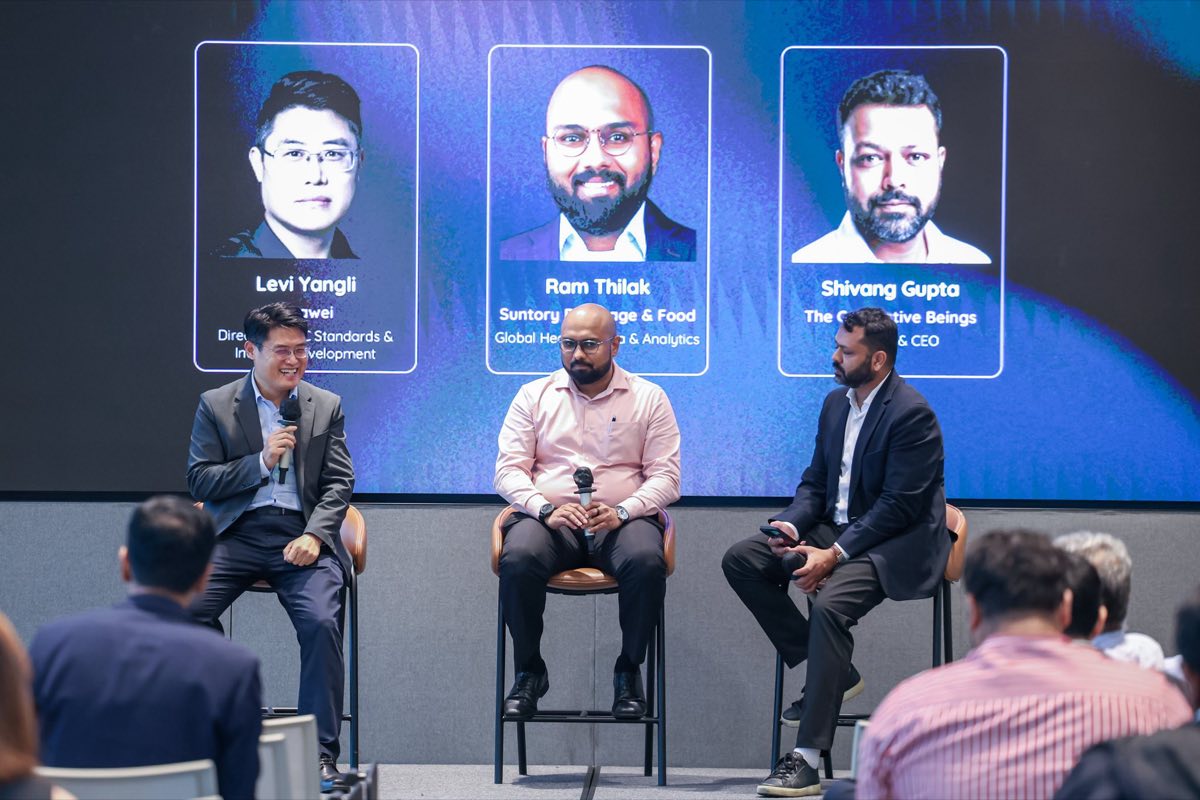
Build vs buy: how to architect your AI for future scale gave the clearest rule of the day. Build your strategic assets, your data and know-how; buy tools you can replace. Watch the metadata a vendor collects as you use their tools, and negotiate exit terms that return your data when you leave. (Levi Yangli, Huawei; Ram Thilak, Suntory)
Act 4: The new way of working
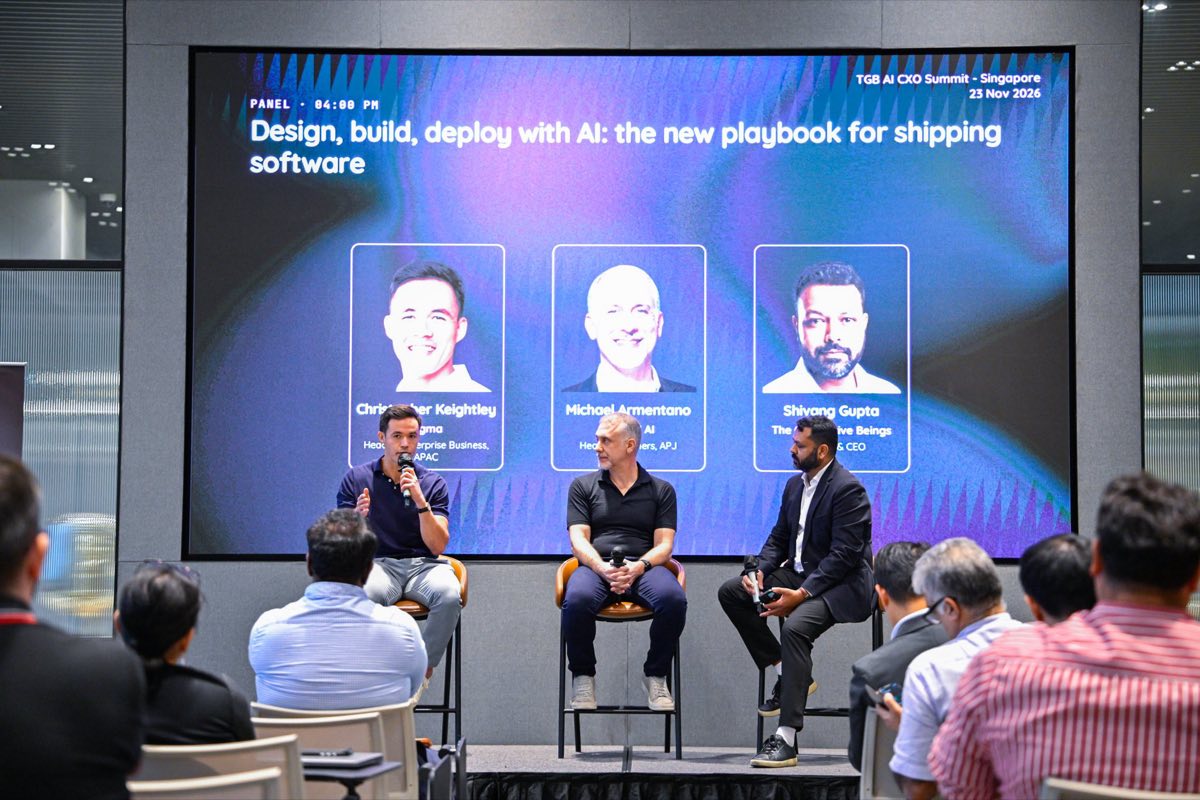
Design, build, deploy with AI: the new playbook for shipping software split building into two modes: building to think, fast and scrappy, and building to ship, careful and precise.
- Speed is now a commodity. Direction and craft are not. (Christopher Keightley, Figma)
- The skill for 2027: going from a doer to a supervisor of doers, and the doers are agents. (Michael Armentano, SpaceX AI)
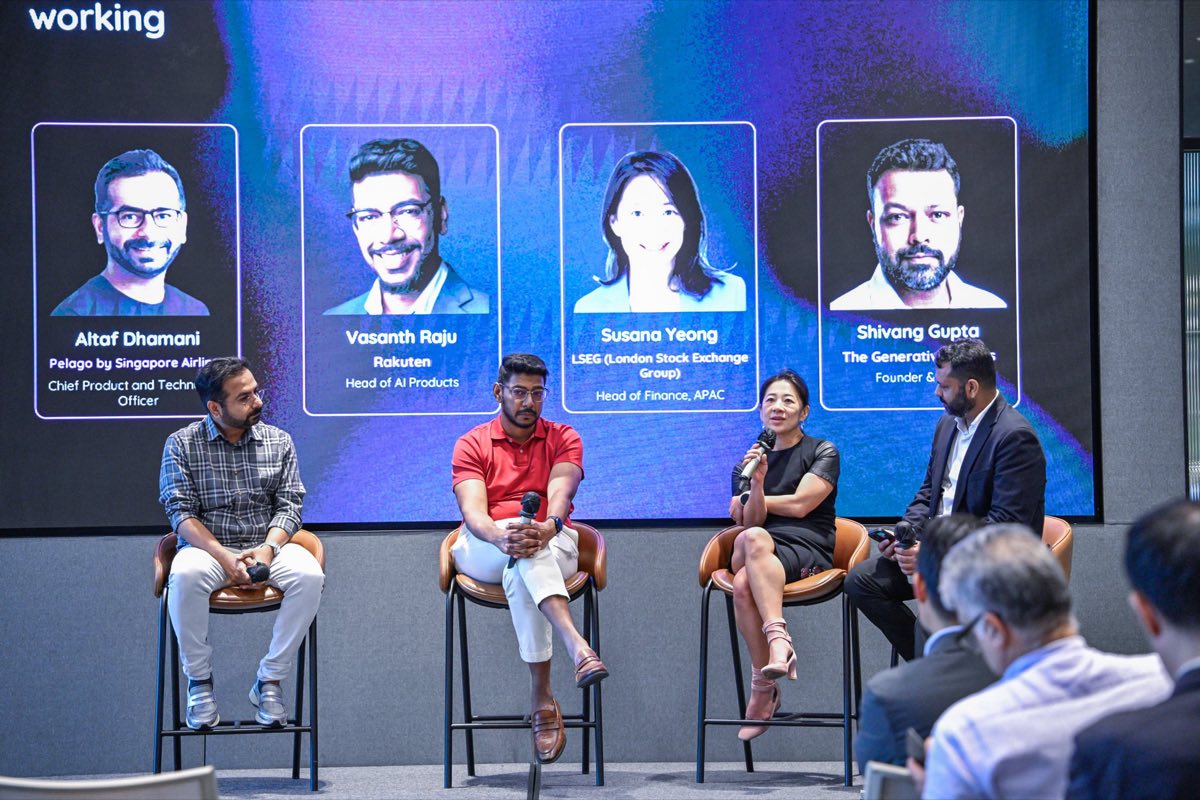
The AI-native workplace: tools, teams and new ways of working looked inside organisations. Start with a pilot group of willing teams, measure business outcomes rather than hours saved, and give people a choice of approved tools.
- Some pilots should fail. Not every pilot needs to become production. (Vasanth Raju, Rakuten)
- Upskilling isn't about learning tools. It's going back to the problem you're actually solving. (Susana Yeong, LSEG)
- Treat AI agents like teammates: give each one a clear role so everyone knows who to ask. (Altaf Dhamani, Pelago by Singapore Airlines)
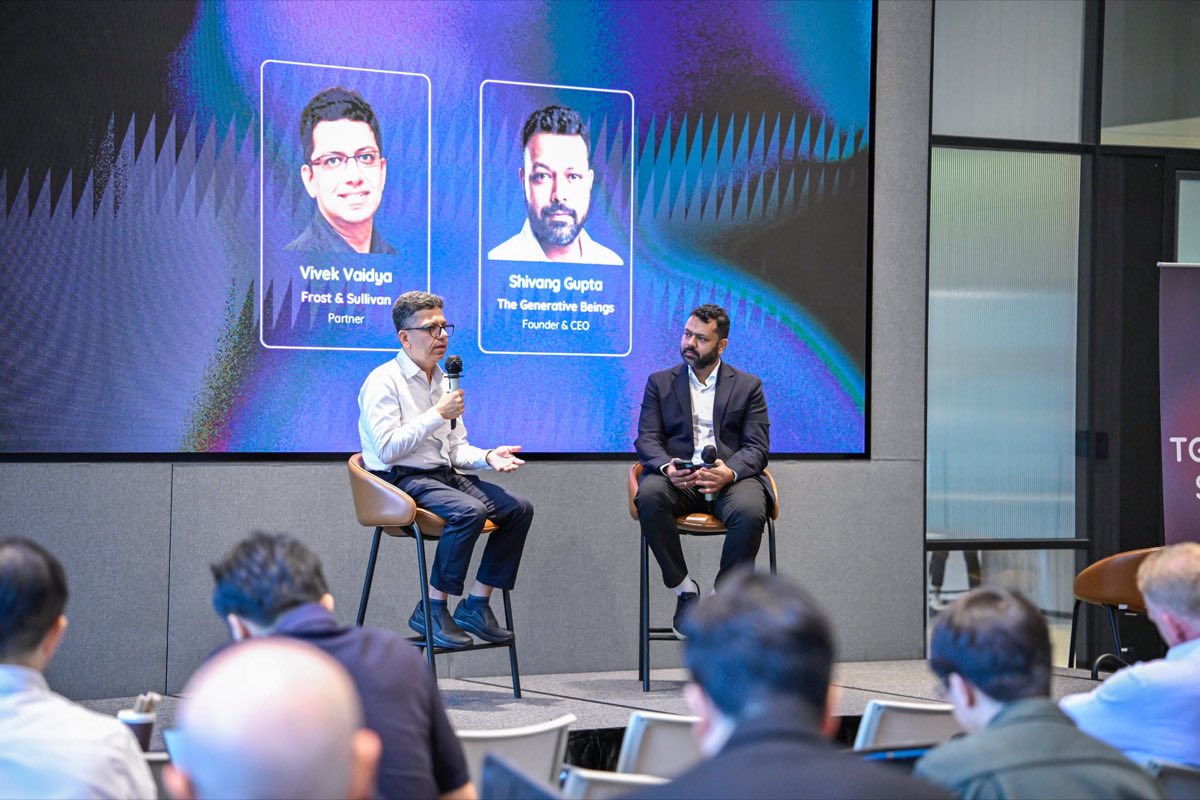
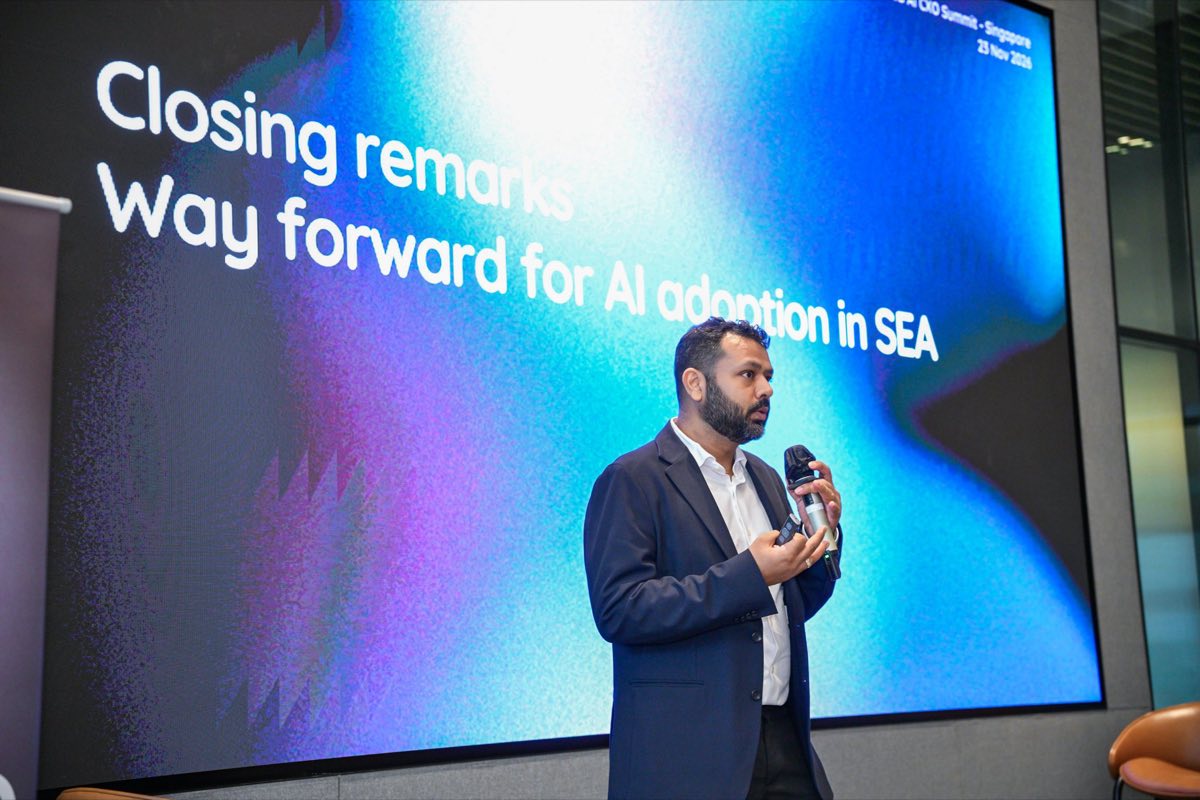
We closed with Winning with AI in 2027: the trends and decisions for enterprise leaders, a deliberately neutral view from consulting. The overhyped idea: armies of agents replacing everyone's jobs. The underhyped one: AI forcing companies to question why each step in a process exists at all. In most boardrooms, AI is a means to an end, not the goal. Start with the business case, get your data in order, and upskill the people who already know how your business works. (Vivek Vaidya, Frost & Sullivan)
Five themes that ran through the day
- Production beats pilots. Ownership, governance and unit economics decide what ships.
- Trust is built in layers. Risk-based oversight, security first, and explainability for staff and customers alike.
- Optionality over lock-in. Keep your data and metadata, and keep models and hardware replaceable.
- The economics are getting real. Tokens, power and budgets now belong in every AI business case.
- People still decide. Humans stay in the loop, and the best investment is helping teams solve problems with AI.
Thank you
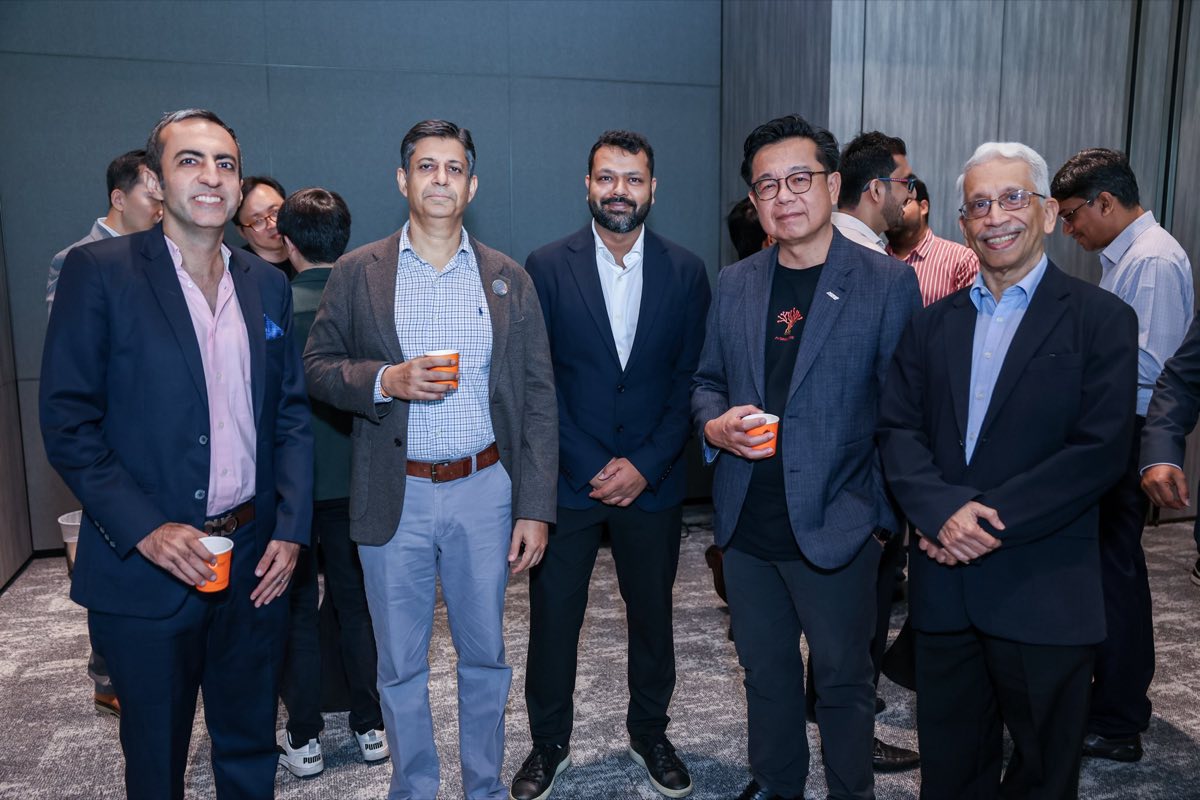
A huge thank you to our Platinum partners Huawei, Alibaba Cloud and Airia, and our Gold partner FuriosaAI; our Knowledge Partner Frost & Sullivan; our ecosystem partners GenAI Fund, Advantage Austria Singapore, 8 Circle and Glints; our TGB volunteer Kavi Pradeep T; and every speaker and attendee who came with sharp questions and honest answers.
Spread the word
Connect with TGB on socials and help us spread the word. A like, comment or share goes a long way: LinkedIn · Instagram · X.
What's next
Soon, we'll publish a detailed write-up and video for each session. Follow The Generative Beings so you don't miss them.
And save the date: the second TGB AI CXO Summit is coming in April 2027.
The TGB AI Pulse Survey 2026 closes soon. If you lead AI work in your organisation, add your insights to this year's edition and share your feedback.